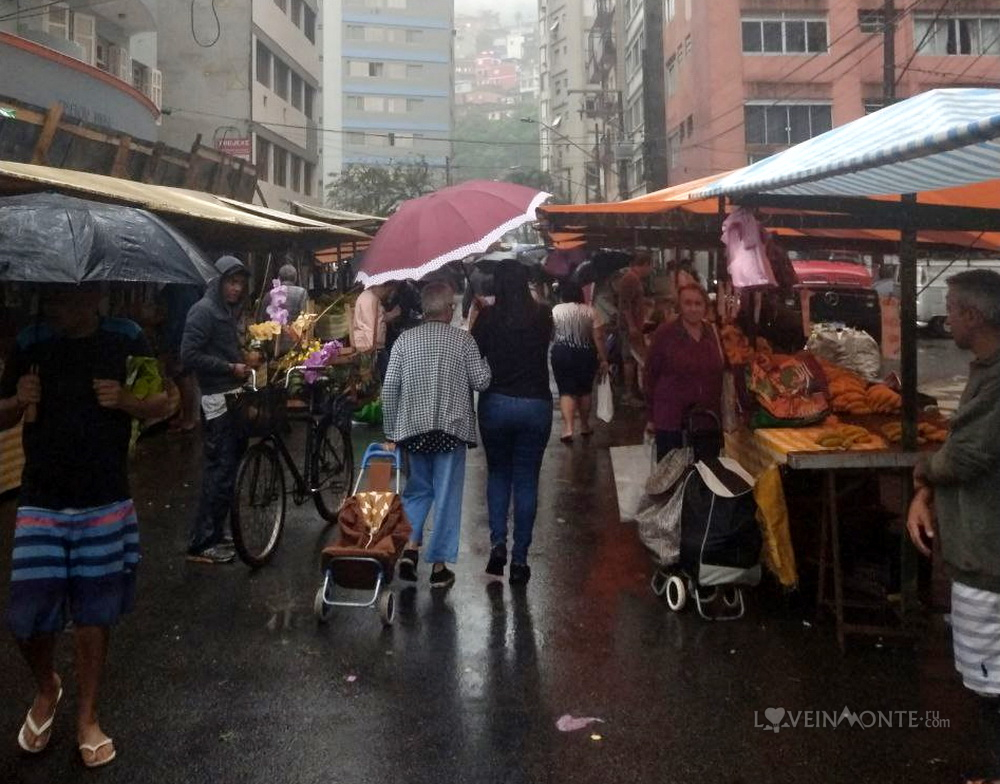
I love feiras. These are mobile markets where fruits, vegetables, greens, and other goods are sold.
They take place in many Brazilian cities, including Santos — each day of the week in a different location.
A feira isn’t a stationary market; it’s a street temporarily closed for the event. Each day of the week, it happens in a specific neighborhood.
To find one, you can either ask locals or search on the map for «feira livre» (sometimes Google Maps even shows the exact day and location). Also, you can find a full list of feiras on the city hall website, for example — for Santos and for São Vicente.
Brazilians often go to feiras with wheeled carts, called carrinho de feira.
Mobile cafés usually pop up selling pastel — Brazilian turnovers with different fillings. Near them, sugarcane juice is often available.
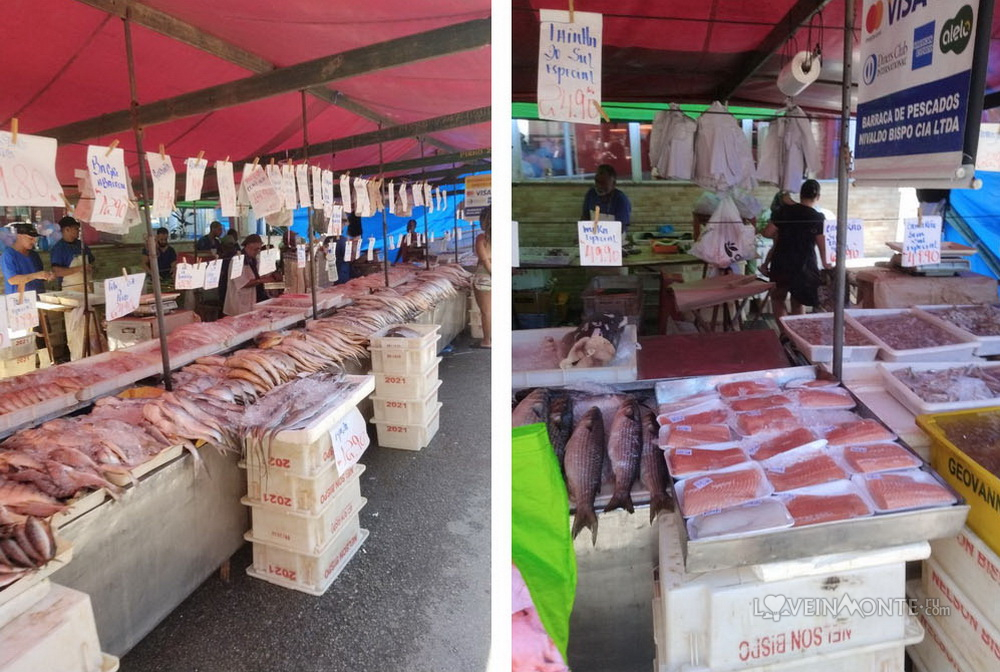
The main focus is fruits and vegetables. Meat, fish, and seafood are also sold, usually on ice. Personally, I’m cautious about seafood in the heat — though locals buy it actively. I tried it once on a relatively cool day, brought home a few fillets — but the fish smelled bad. So for me, feiras remain vegetarian-friendly.
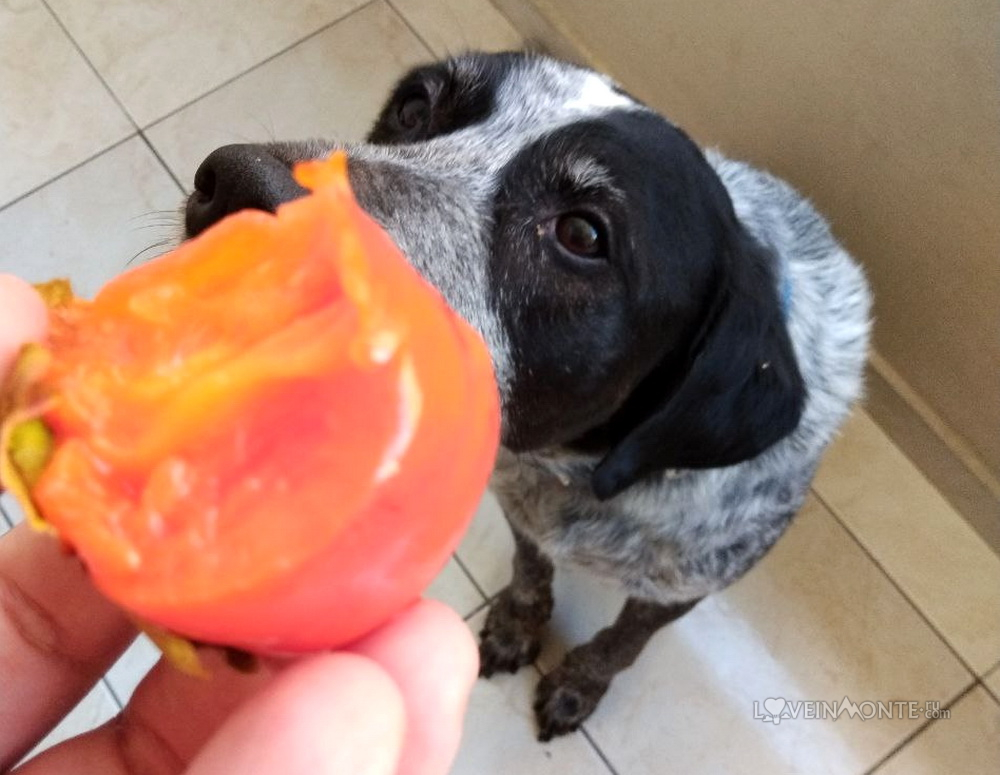
Usually, produce bought at feiras tastes better than supermarket items (at least so far, I’ve been lucky).
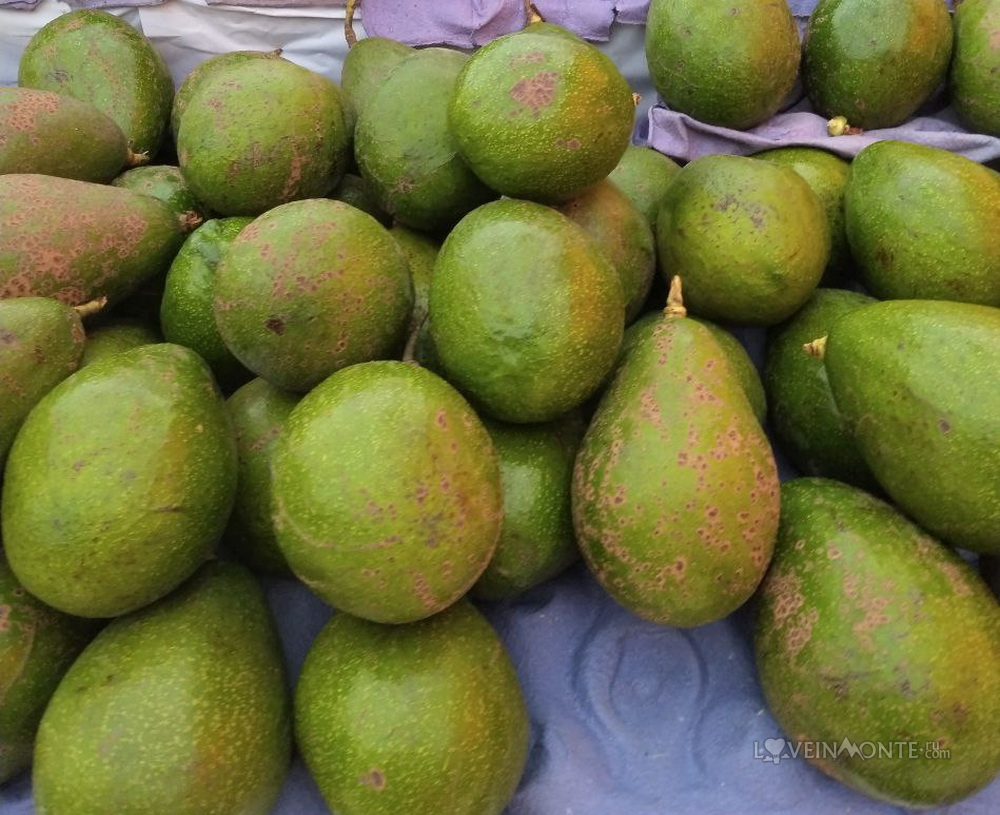
Prices are usually lower than in stores (but not always).
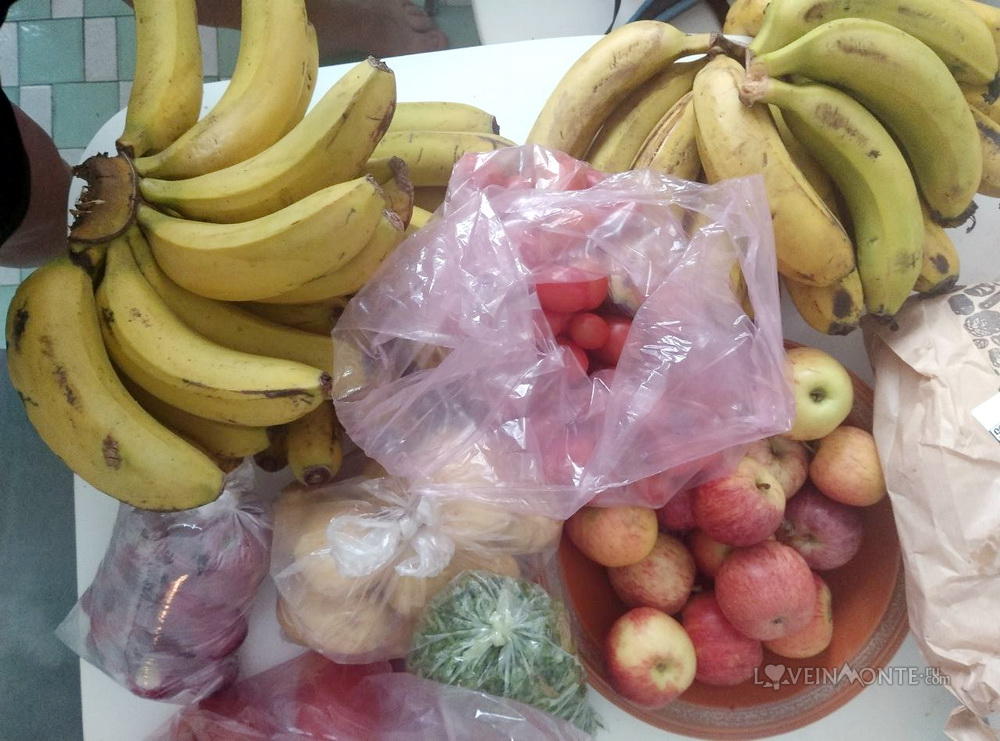
Be careful with units of measurement, as items are rarely sold by the kilogram.
For example, bananas are measured by the dozen.
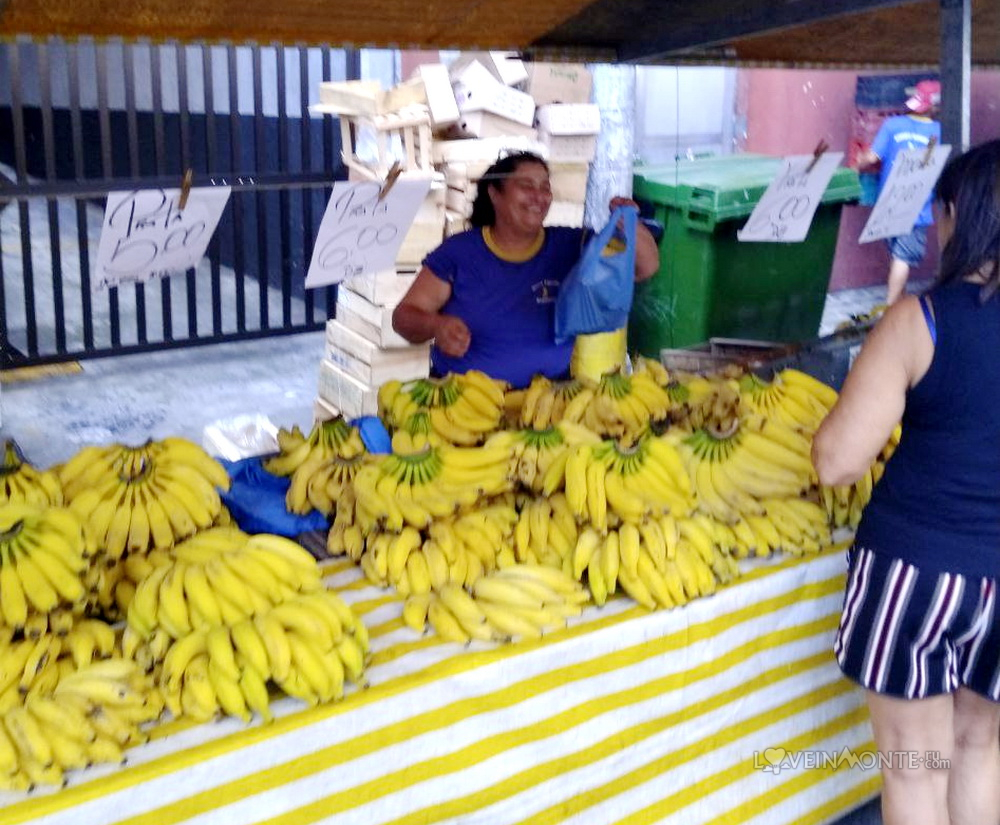
Sometimes the price is per basket or bag, sometimes per piece, or in deals like “3 papayas for 10 reais,” “5 apples for 10 reais,” etc.
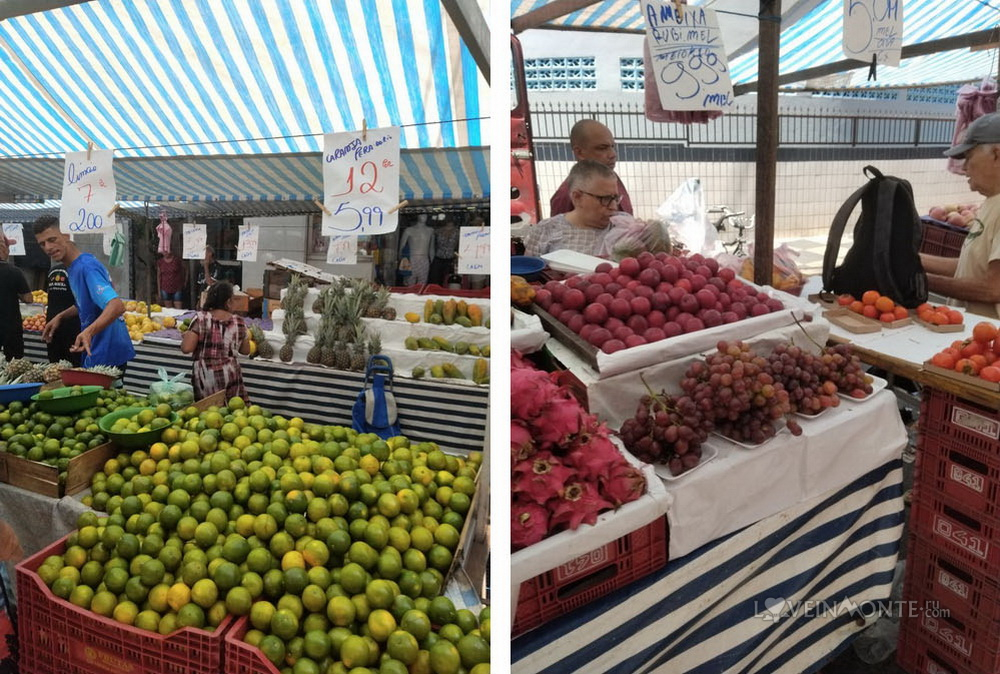
Same goes for vegetables.
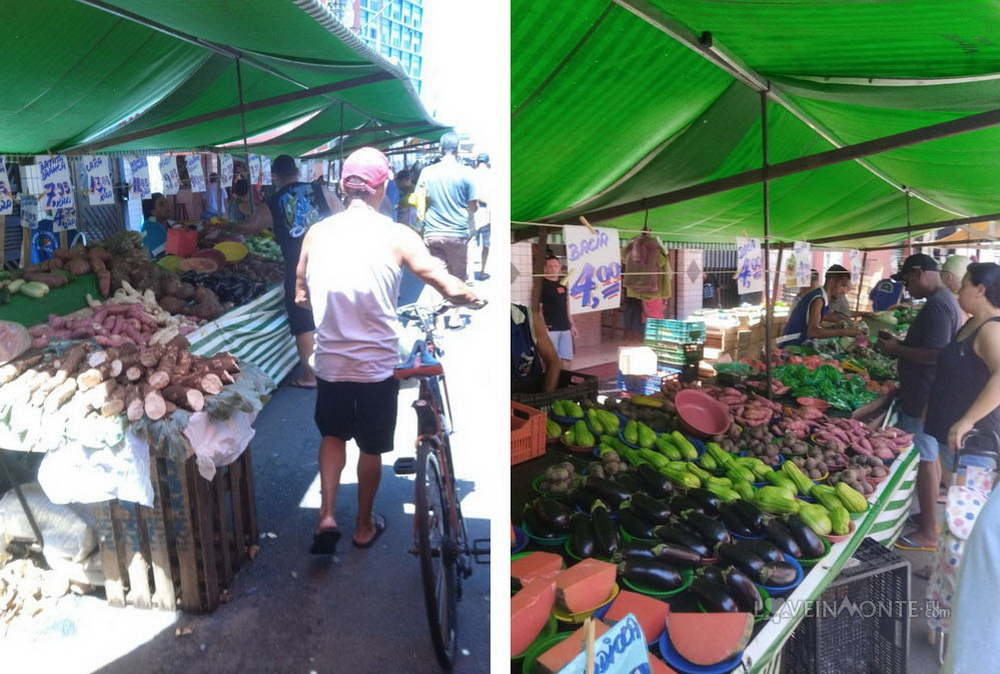
In general, if you want a good deal at a feira, you need to keep calculating.
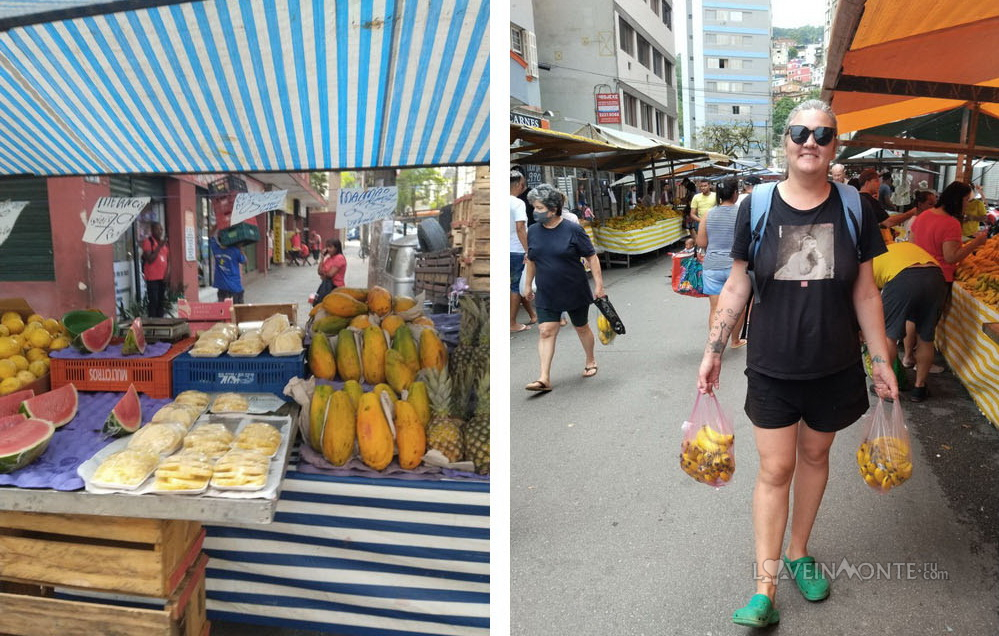
A feira is always lively and noisy. Sellers shout to advertise their watermelons as “pure honey” from early morning until cleanup time.
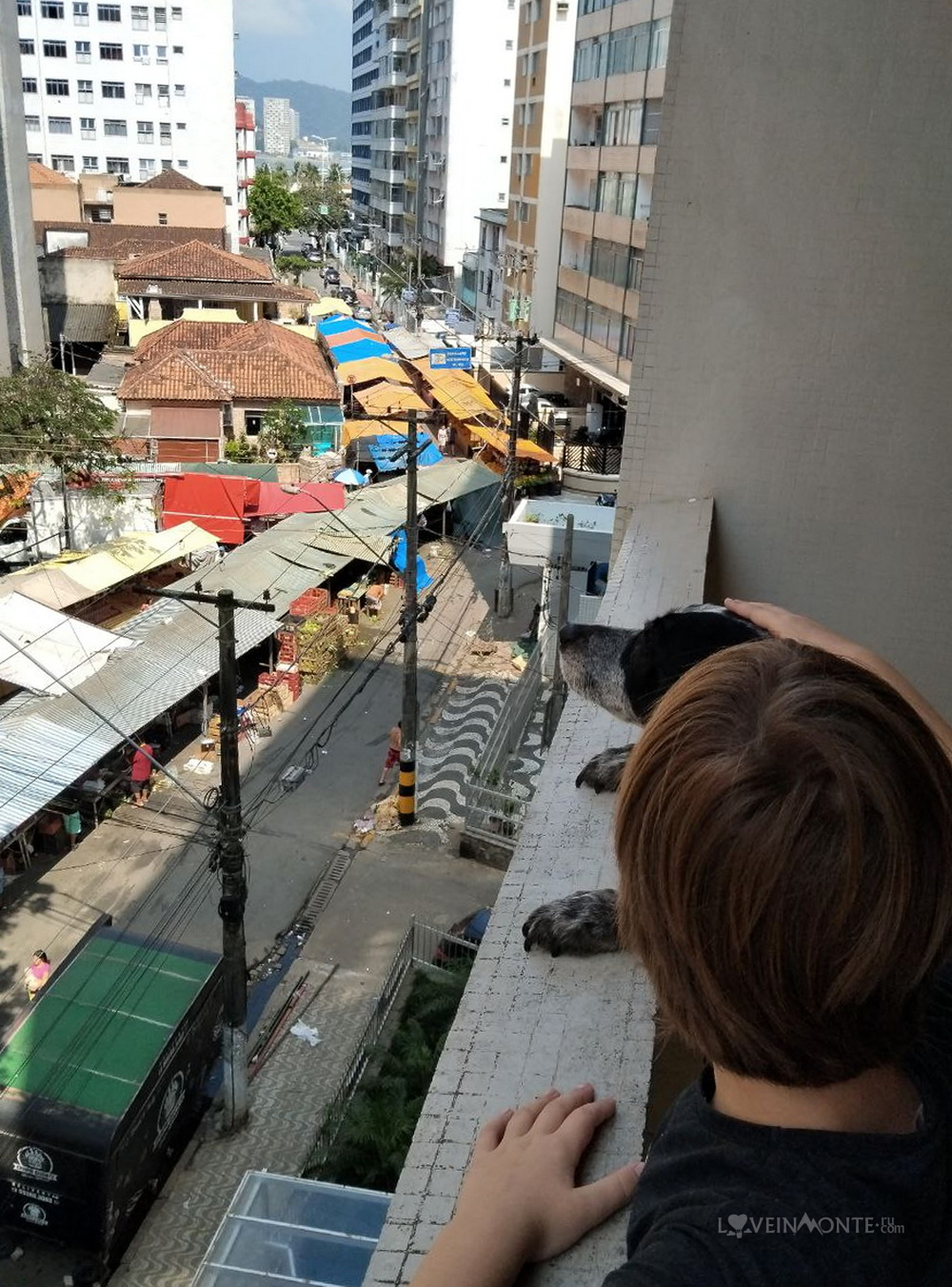
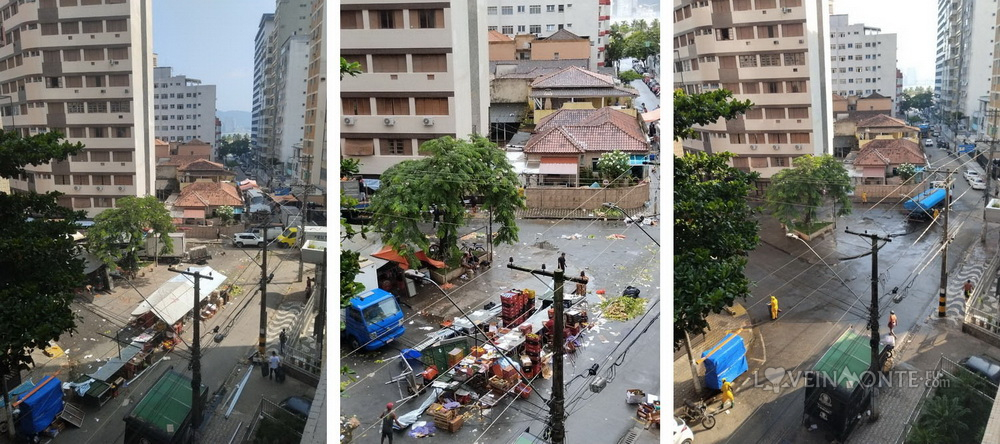
The process of how a feira appears and disappears is amazing. Trucks arrive the night before to set up tents. From early morning until midday, the market is open. Then the massive cleanup begins.
First, the tents are dismantled, leaving piles of trash, often cabbage heaps, attracting large birds. Garbage trucks follow, and finally, streets are washed clean by water trucks — the street looks normal again. And next week, it all repeats.
Visiting a Feira Livre is more than just shopping — it’s an experience. The colors, smells, and energy of the streets give a real taste of local life. Wandering among the stalls, tasting fruits, and seeing the hustle and bustle makes it clear why Brazilians love these markets so much.
Tchau!