Renting an apartment in Brazil as a gringo can feel like a full-on quest. Some foreigners find it easy and score a long-term lease right away, but for us, the first year was a rollercoaster of surprises, unexpected rules, and extra paperwork.
From short-term Airbnb stays to navigating local contracts, we learned quickly that patience—and careful attention to details—was the real key to success.
The Easiest Option
For someone who has just arrived in Brazil, the most realistic and straightforward option is renting through Airbnb. No deposits, no complicated paperwork, and the apartments are usually furnished.
The downside is the price — and the difficulty of securing the same place for a long period of time. Which means potential moves. And moving is painful.
Something like three moves with a newborn in three months… not exactly fun.

On the bright side, it gives you a chance to explore different neighborhoods. But it can definitely get exhausting.
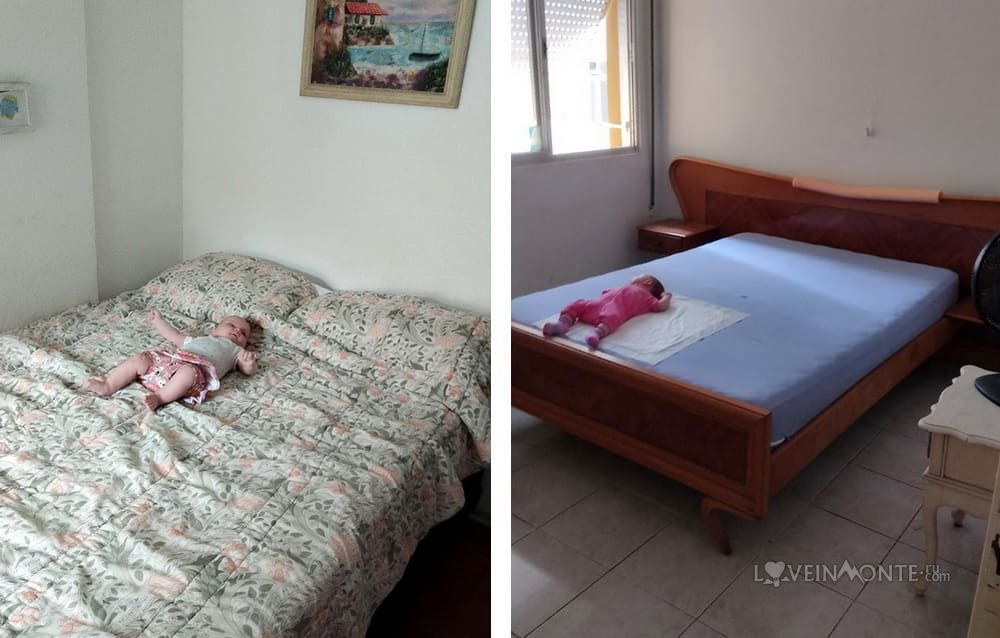
All the apartments we rented had two bedrooms.
Interestingly, when you add the “pets allowed” filter, only a small portion of listings disappear. There are fewer options, but still plenty to choose from.
Sometimes hosts mention that pets aren’t allowed only deep in the description, so it’s worth reading everything carefully. Even better — send a message and confirm all the details before booking.
Also make sure the listing is marked as “entire place.”
Besides asking about our dog, we always checked the internet connection and whether the host could provide an address declaration. This document is often needed to confirm your address for paperwork in Brazil. Many listings dropped out at that point — but we kept looking and eventually found suitable options.
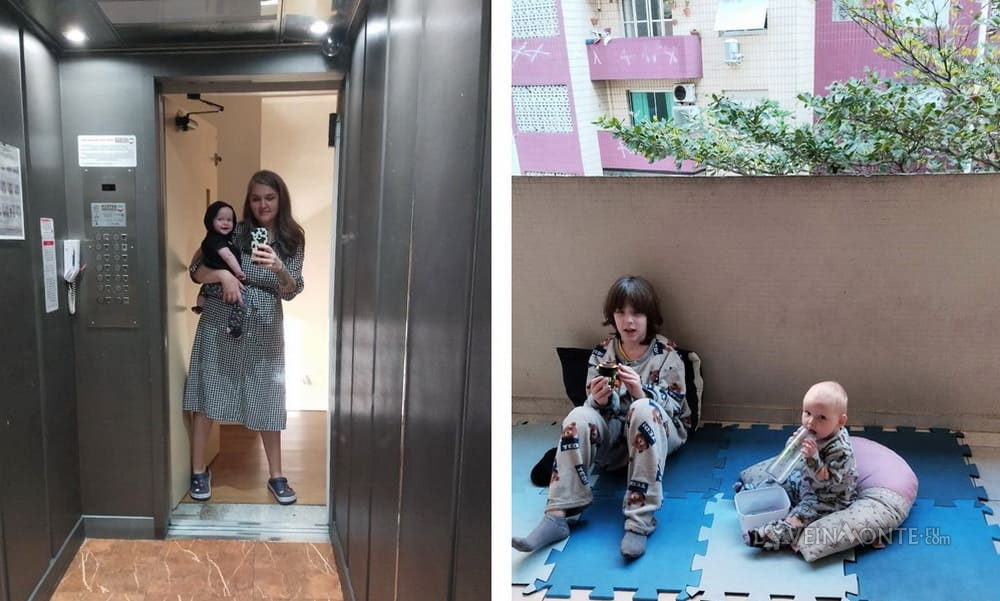
Long-Term Alternatives
The main alternative to Airbnb is a standard rental contract. However, these can be difficult for foreigners without Brazilian documents.
Typically the contract is signed for 30 months, with the option to leave without penalties after 12 months.
Sometimes people negotiate directly with owners for shorter contracts, or even without a formal agreement. This often happens through Facebook Marketplace.
I wasn’t very successful there though. Both owners and agents often stopped replying to me. Funny enough, later I bought a car seat there with zero problems — but apartments never worked out.
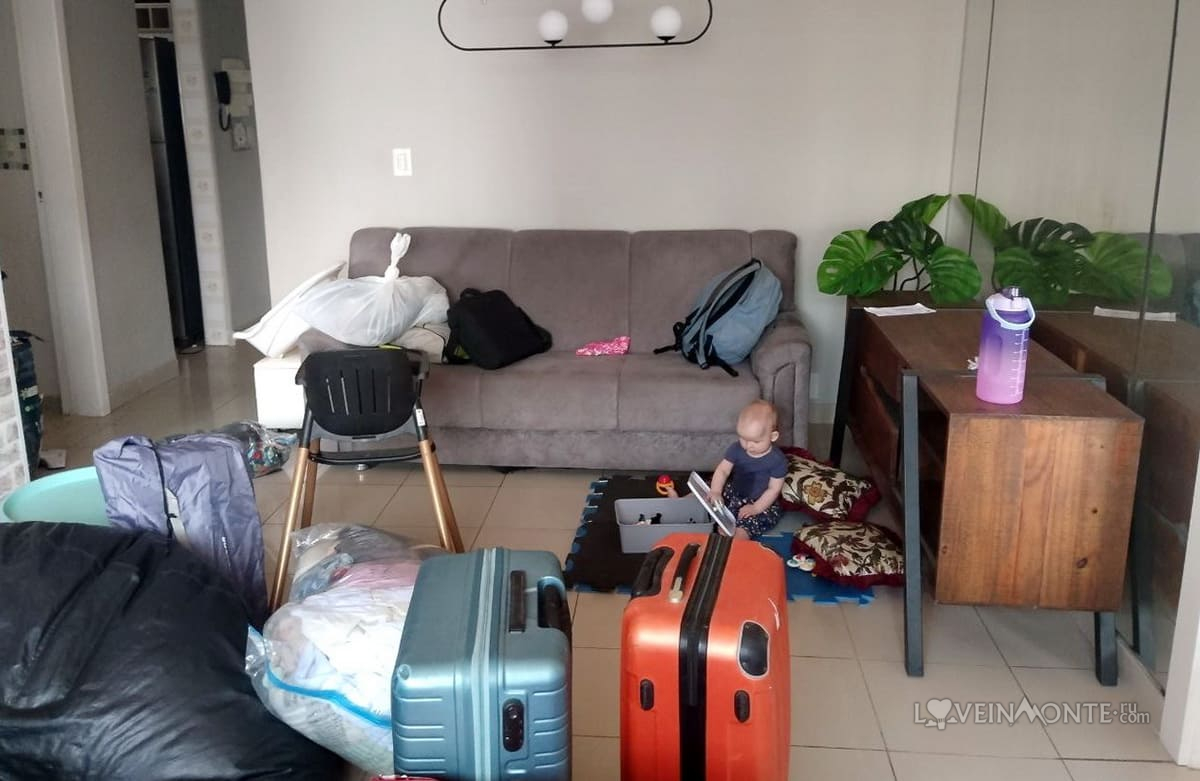
Another popular platform is OLX, where you can find listings from both agents and private owners (“direto com proprietário”). There are also major real estate portals like Zap Imóveis and VivaReal.
Many listings appear on several websites at once. Sometimes even on the same platform with different prices, when several agents are trying to rent the same apartment.
Always read the description carefully: what is included in the rent, what extra fees apply, whether the furniture stays (very often it doesn’t, even if it’s in the photos). The final price is often split into several parts: rent, condominium fee, property tax (IPTU), and sometimes additional costs. The condo fee alone can sometimes be almost as high as the rent.
Most apartments we visited were rented through agencies. Their commission is usually already included in the price, but they add quite a bit of bureaucracy. Still, it gives both sides some peace of mind.
Something that surprised me: I assumed agency websites only showed a small portion of available apartments — like a teaser — and that the real options would appear later in conversation. But in our case it turned out that the listings online were actually the full selection.
Rental conditions can vary widely. Some landlords ask for a guarantor, some require a large deposit, others request several months of rent in advance — especially if they agree to a shorter contract. Proof of income is often required too, and sometimes it must be Brazilian.
Another option is QuintoAndar, a platform designed specifically for long-term rentals. The process is mostly online: you choose an apartment, book a viewing, submit documents, and if everything is approved you sign the contract digitally. The service charges a monthly fee for handling the process.
Our Moving Adventures
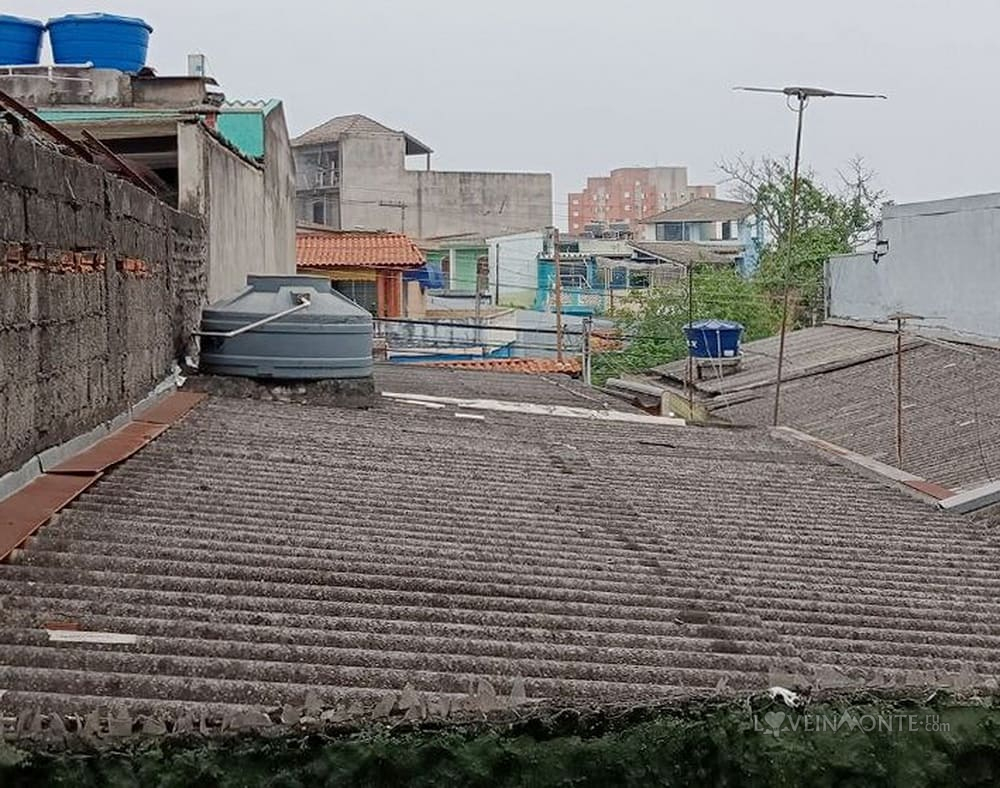
The photo below shows the view from our first home in Brazil.
We rented it for just a couple of days near the airport. Sasha and Bastian stayed there waiting for us and Lev, because we arrived on separate flights. The apartment itself was okay — small and slightly worn out, but perfectly livable.
The real problem was the host. After we left, he filed a complaint with Airbnb claiming that we had damaged his sofa and a wall. Which we absolutely hadn’t.
After that we booked an apartment in Santos for a month, planning to decide whether we wanted to stay longer.
That’s when we ended up in this house.
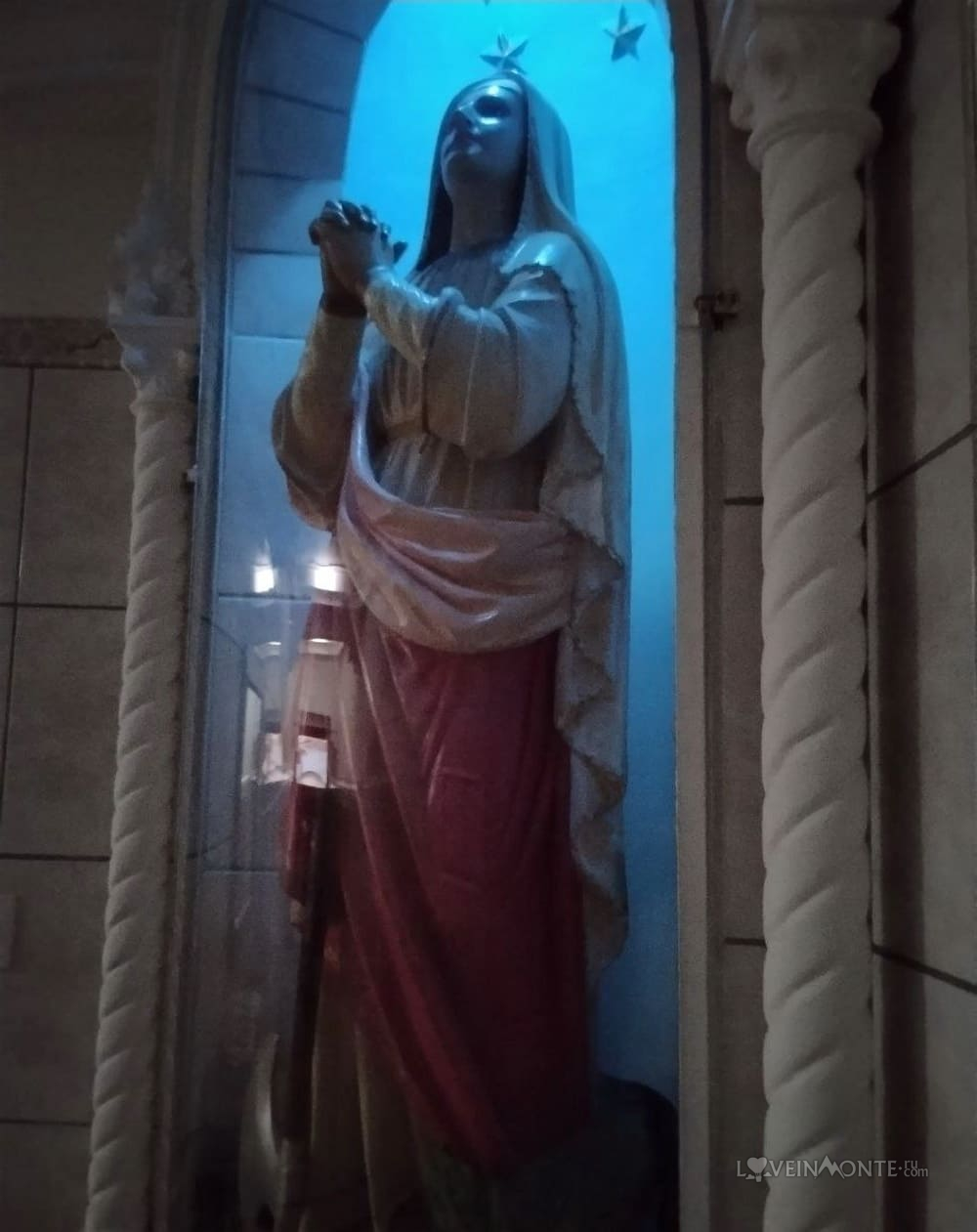
And in a very vintage apartment with a maid’s room — in the next apartment we even had a separate maid’s entrance.
That’s also where we first discovered the rules of Brazilian condominiums. For example, if you have a dog, luggage, or large bags, you’re usually not supposed to use the main entrance or the “social elevator.” Instead, you use the service entrance and service elevator.
There is always a porteiro (doorman), who ends up helping with a surprising number of everyday issues.
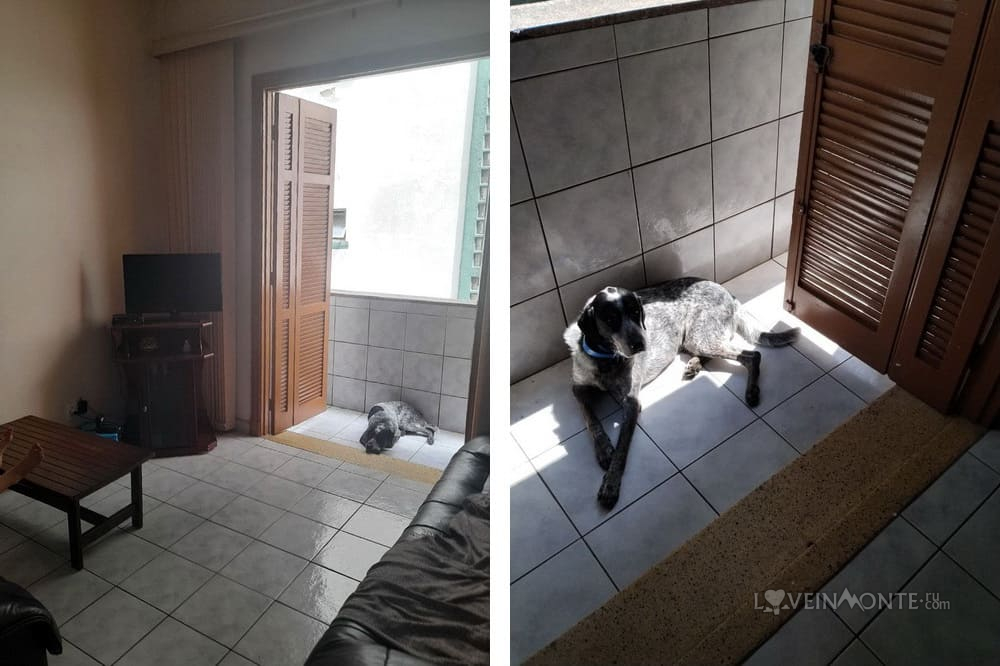
In that apartment we also discovered another Brazilian tradition. There were foldable beach chairs, and we finally went to the beach like real Brazilians. The apartment also had a huge box labeled “jogos” — full of games, from dominoes to wooden paddles for frescobol.

The next apartment became our home for three months. Later we had to leave during the high season, but eventually returned for another six months.
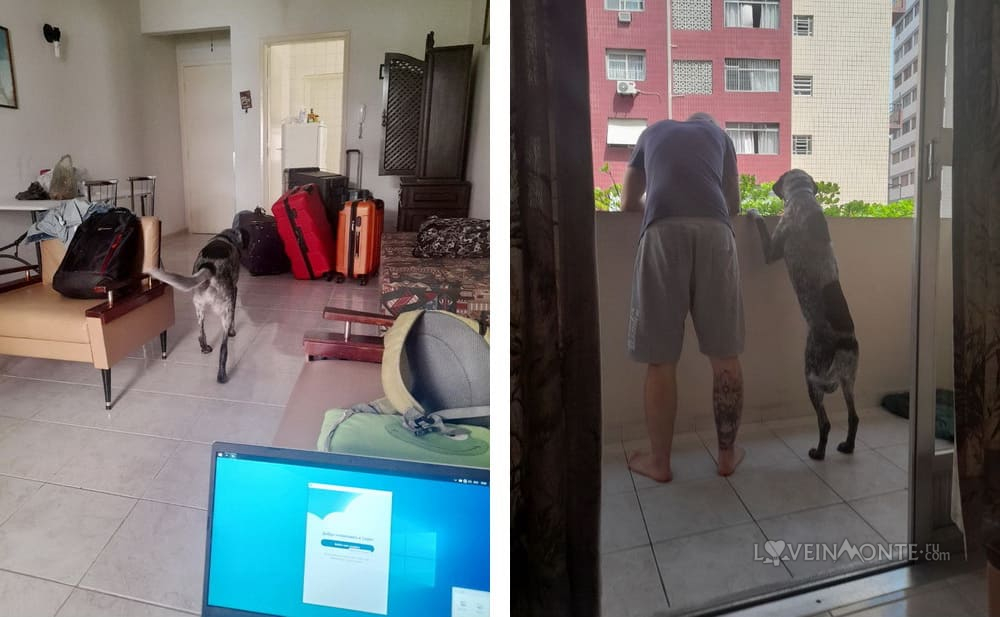
If you look closely, Lev is hiding on one of those balconies.
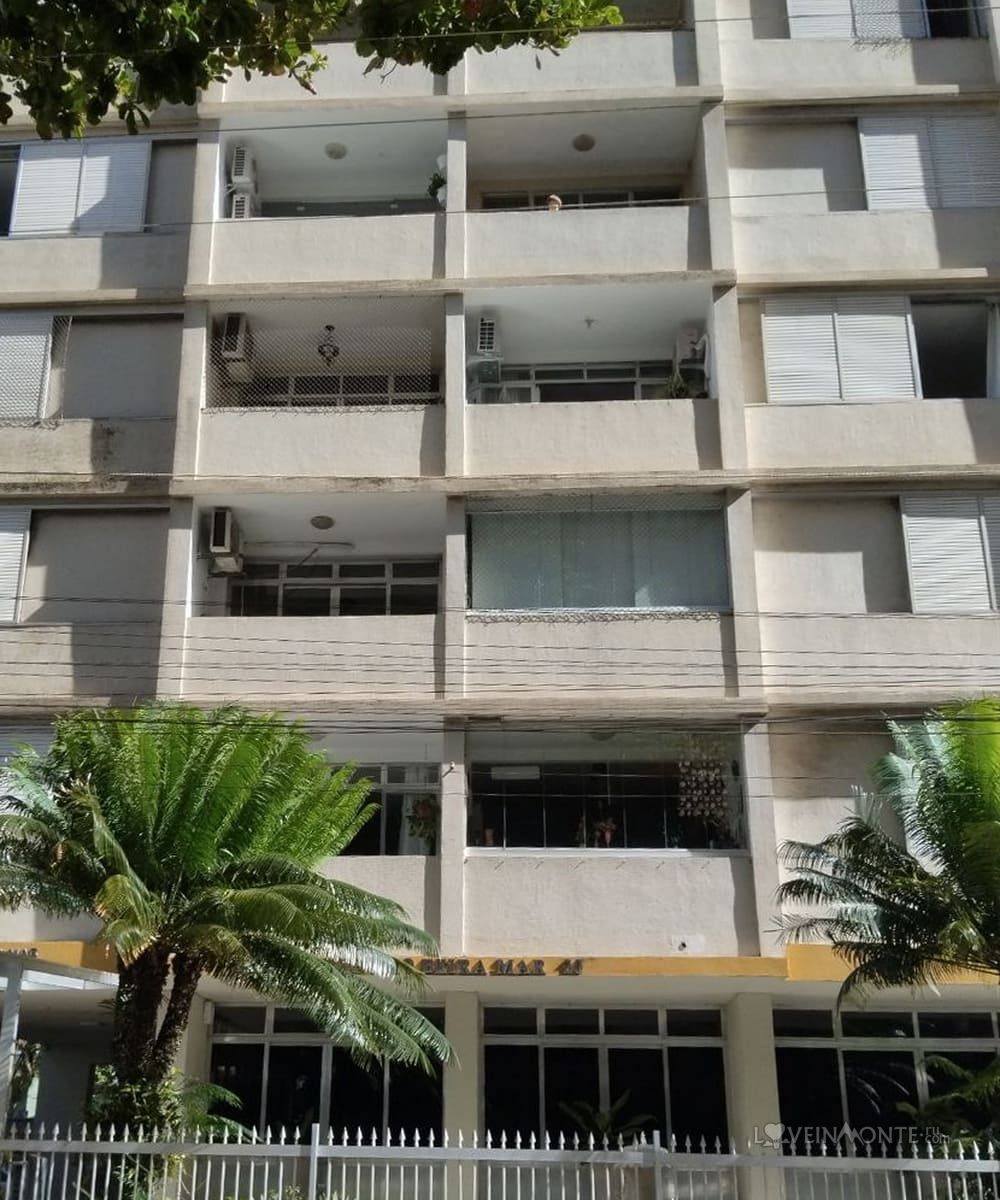
hen summer arrives in Santos (around December), rental prices skyrocket. Some apartments stop offering monthly stays altogether and switch to short-term holiday rentals. One solution is to move inland for those months — but we had a lot of things to deal with specifically in Santos. So we simply paid way too much for housing that definitely wasn’t worth the price.
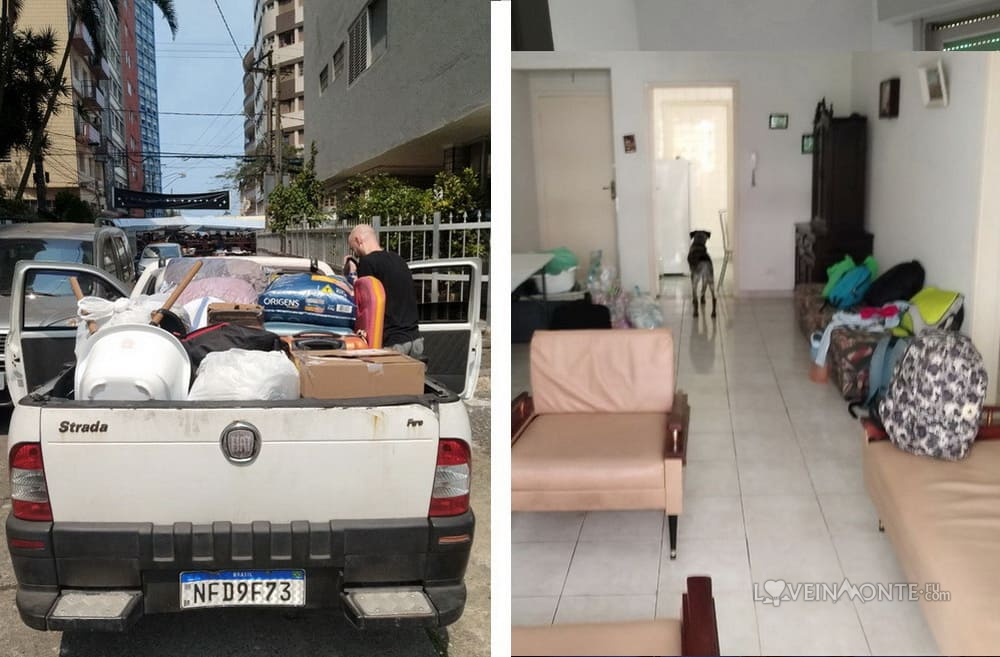
At first we didn’t know how to move our belongings between apartments. Uber definitely wasn’t an option.
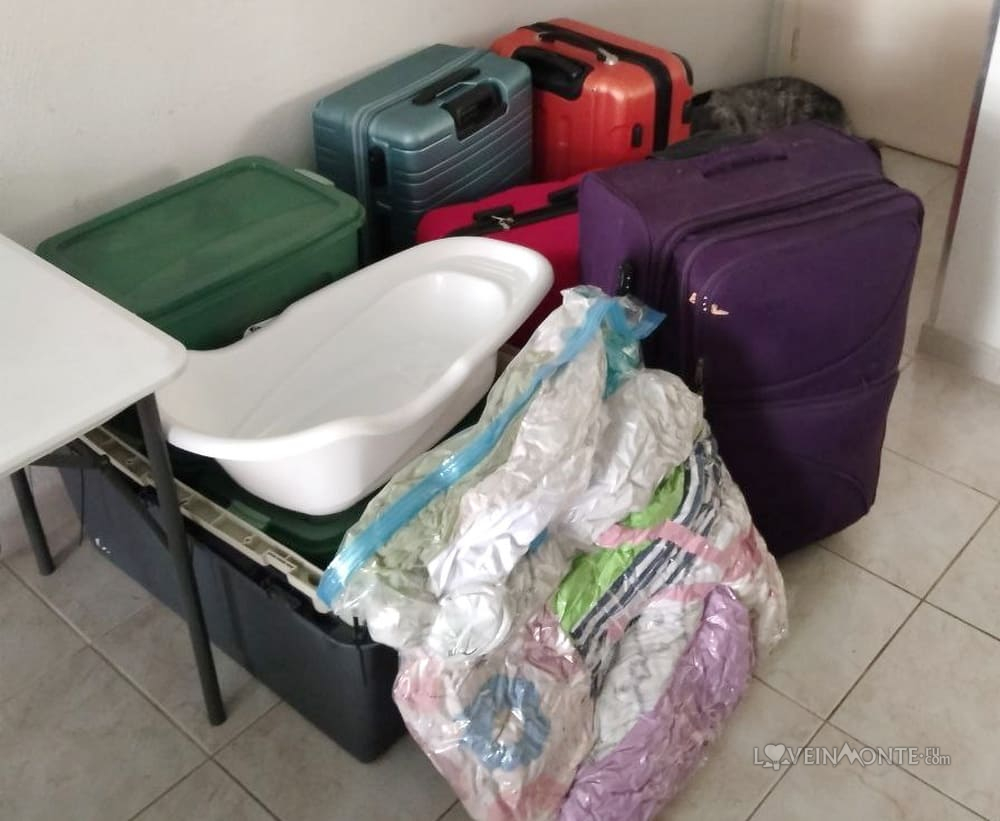
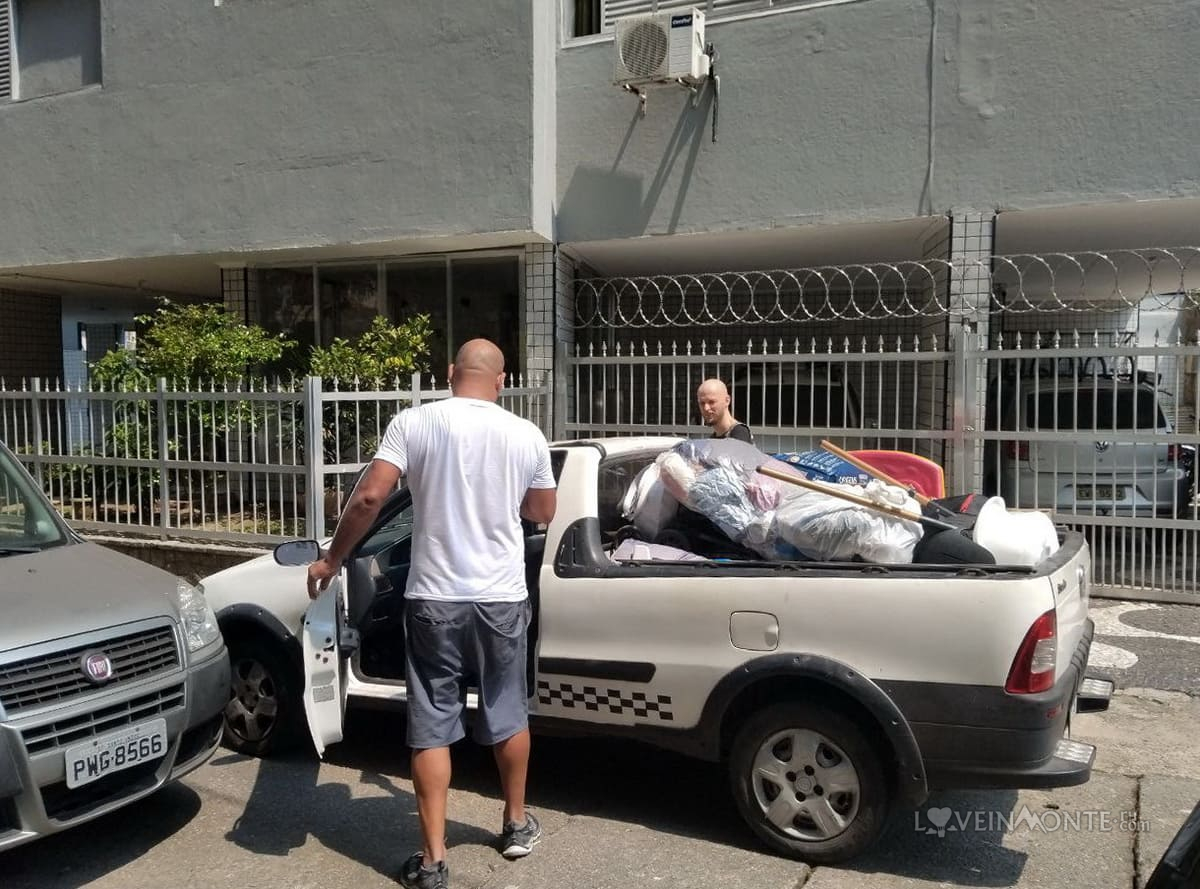
Then we discovered carretos — small moving trucks you can hire around the city. You can find them everywhere: on OLX, on Facebook Marketplace, or simply by photographing phone numbers from trucks parked on the street.
It’s better to keep several contacts because the drivers may already be booked on the day you need them. We never used the same one twice.
Usually everything is arranged through WhatsApp messages or voice notes. They ask about the amount of вещей, furniture, whether there’s an elevator, and whether items need to be carried up or down stairs. All of that affects the price.
We usually loaded everything ourselves. Sasha and the dog rode in the moving truck, while I followed with the kids in an Uber.
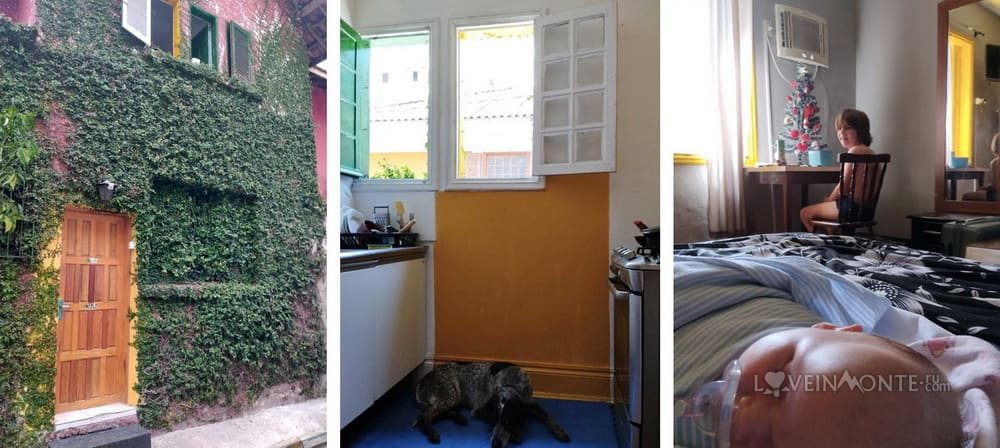
I wasn’t kidding about overpaying — this is what the most expensive place we’ve ever rented looked like.
Two tiny rooms and a kitchen. With the owner originally planning to rent us just one room and live in the other himself — sharing the same bathroom. We managed to convince him to find another place to stay, but the whole situation was stressful.
Eventually we moved again — to a small but decent apartment for another month.
And then finally returned to the apartment where we had lived earlier.
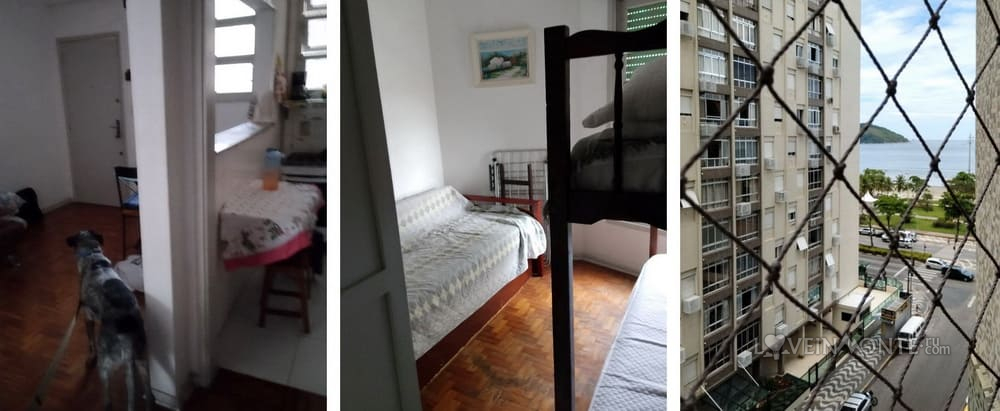
It felt like coming home: a reasonable owner, familiar neighbors, and the same friendly porteiros.
We had agreed to stay until October, but in the end it worked out better for both of us to leave a bit earlier.
And we signed our first proper long-term contract. Right neighborhood, right budget, and even furnished, which is actually quite rare in Brazil.
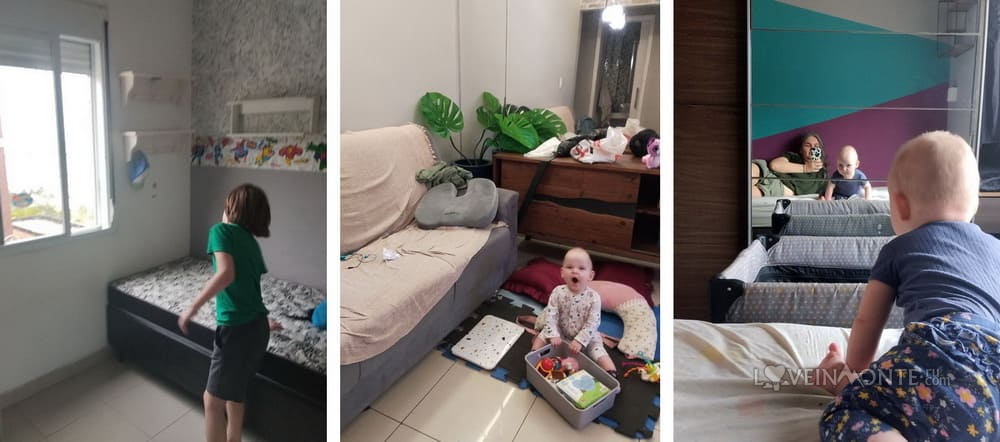
Finding it took about two or three weeks. Interestingly, we only visited apartments that already matched all our requirements. And one extra rule appeared during the search: “Is this actually cheaper than staying on Airbnb?”
Because sometimes, once you add condo fees, taxes, and furniture costs, the answer is no.
Before moving in, a vistoria (inspection) is carried out — often by a third-party company. We received a detailed photo report showing everything in the apartment and its exact condition. When you move out, another inspection is done and compared to the original report.
As for the move-out process… we’ll find out about that someday.
Another interesting detail: the contract includes both the move-in date and the monthly payment date, and they can be different. You can negotiate whichever schedule works best for you. After receiving the keys you usually have about 10 days to report any problems in the apartment. Those will be fixed by the landlord. Anything discovered later becomes your responsibility.
In the end, after all the moves, stress, and unexpected surprises, we finally found a place that felt like home. Looking back, the whole process wasn’t exactly easy — but it taught us a lot about how renting works in Brazil. And honestly, many of the things that seemed confusing at first now feel completely normal.
If you’re starting your own apartment search here, don’t get discouraged if things take time. Sometimes the right place just takes a few moves to find.
Good luck with your search — hopefully it will be faster and less chaotic than ours.
Tchau!